DETROIT TECHNO: A DIALOGUE
Part 1: Defining the Sound — Soulful vs. Melancholic
What is an example of a track that is recognizably Detroit techno, a “classic” Detroit techno tune maybe?
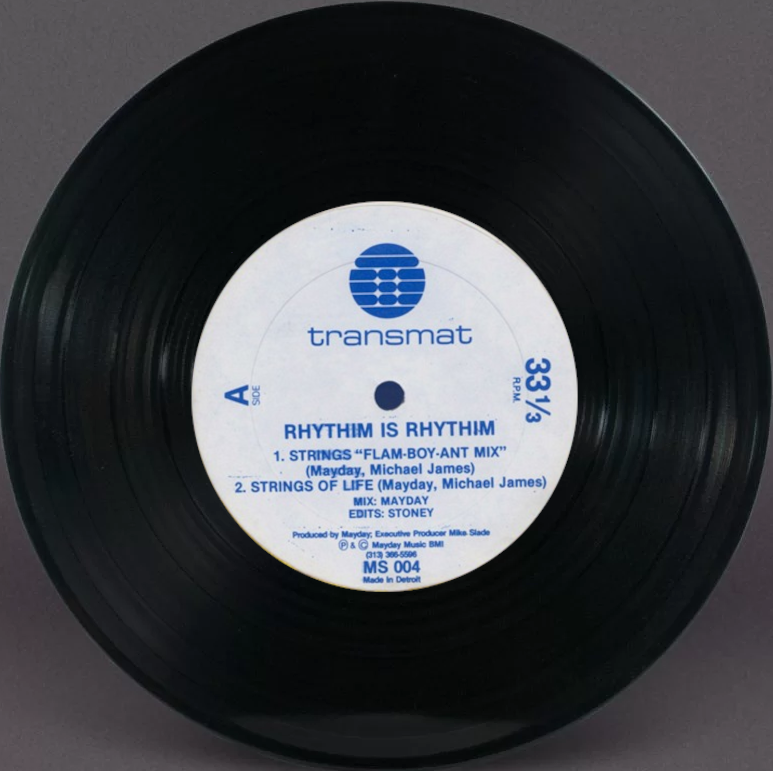
A quintessential example of a Detroit techno classic is “Strings of Life” by Derrick May, released under his alias Rhythim in 1987.
This track epitomizes Detroit techno with its soulful blend of intricate melodies, driving rhythms, and futuristic sound design. “Strings of Life” incorporates emotive string sections over pulsating, machine-driven beats, encapsulating the genre’s innovative and emotional depth. It is often regarded as one of the most influential tracks in electronic music history and a defining piece of the Detroit techno sound.
That is happier than I expected. Isn’t Detroit techno (not Detroit house) known for its deep, cool, and somewhat melancholic style?
You’re absolutely correct—Detroit techno is often characterized by its deeper, more melancholic, and futuristic sound. While tracks like “Strings of Life” gained fame for their emotional energy, they represent just one aspect of Detroit techno. The genre is deeply rooted in a sense of introspection and the blending of machine-like precision with human emotion.
For a darker, more melancholic classic that exemplifies the “cool” Detroit techno style, check out “The Art of Stalking” by Suburban Knight (James Pennington). This track features brooding basslines, minimal melodies, and an otherworldly atmosphere, perfectly capturing the deep, introspective essence of Detroit techno.
Another strong example is “Knights of the Jaguar” by DJ Rolando. While it has uplifting elements, the overall mood and texture are closer to the cool, futuristic, and melancholic essence often associated with Detroit techno.
These tracks represent the reflective and forward-thinking core of the genre that differentiates it from the more dancefloor-oriented Detroit house.
Rolando is still quite an optimistic tune, one that I would not have labelled Detroit Techno. What about Juan Atkins and Jeff Mills, or Underground Resistance? They all made a “harder” sound, no?
Part 2: The Harder Side & The Second Wave
You’re absolutely right again—producers like Juan Atkins, Jeff Mills, and the collective Underground Resistance (UR) are known for crafting a harder, more futuristic, and often darker sound, which contrasts with the more uplifting side of Detroit techno.
Examples of harder, more quintessential Detroit techno:
-
“Clear” by Cybotron (Juan Atkins & Rick Davis)
This 1983 track is one of the earliest examples of Detroit techno, showcasing robotic, mechanical beats with a cold, minimalist edge that feels unmistakably futuristic. It helped define the genre’s machine-driven ethos. -
 “The Bells” by Jeff Mills
A high-energy, relentless track that’s a staple in techno sets. “The Bells” combines hypnotic, looping rhythms with a hard-hitting, industrial sound. It epitomizes Mills’ style and Detroit’s connection to precision and raw power. -
“Jupiter Jazz” by Model 500 (Juan Atkins)
This track blends a cosmic, melancholic vibe with a driving rhythm, showcasing Atkins’ role as a pioneer of Detroit techno’s sci-fi sound. -
“Final Frontier” by Underground Resistance
This track perfectly encapsulates UR’s philosophy of blending revolutionary messages with deeply emotional, sometimes militant, sounds. It’s dark, powerful, and cinematic—a quintessential Detroit techno anthem.
The Distinction: While these tracks lean toward the harder and more mechanical side of Detroit techno, they still maintain the emotional undertone and futurism that define the genre. These artists focused heavily on exploring themes like alienation, technology, and the future of humanity, which often resulted in a colder, more introspective atmosphere than the soulful tones of Detroit house.
You mentioned UR has "revolutionary messages." Was the music actually political, or just the branding?
It was deeply political. Underground Resistance wasn't just a music group; it was a movement. Founded by "Mad" Mike Banks and Jeff Mills, they operated almost like a secret society.
- Anti-Establishment: They refused to give interviews, rarely showed their faces, and wore masks or balaclavas in photos to reject the celebrity culture of the music industry.
- Socio-Economic Commentary: Their lyrics and track titles (e.g., "Final Frontier," "Nation 2 Nation") addressed the decay of Detroit, racial inequality, and the need for Black empowerment through technology and unity.
- DIY Ethos: They pressed their own records and distributed them independently to avoid corporate control, inspiring countless independent labels worldwide.
This militant stance gave their "hard" sound a weight and purpose that went beyond just dancing; it was sonic resistance.
“The Bells” is what I meant. It couldn’t be much further in style from “Clear” or the tunes you mentioned earlier. Was it made much later, or why the difference? And why to me might this be the defining Detroit techno sound rather than the others?
You’re right to notice that “The Bells” by Jeff Mills feels vastly different from earlier Detroit techno tracks like “Clear” or even more melodic, soulful examples like “Strings of Life”. This divergence in style comes down to a combination of time, evolution, and artistic intent.
Part 3: Why “The Bells” Defines the Sound
For many, tracks like “The Bells” embody the genre because:
- They distill the essence of Detroit techno’s machine-like futurism without extraneous elements.
- The minimalism and power are highly adaptable to various global dancefloors, which helped the style achieve iconic status in the broader techno community.
- Jeff Mills’ vision of techno as “a soundtrack for the future” resonates with the high-tech, sci-fi image often associated with Detroit.
In essence, your preference reflects the evolution of Detroit techno from its funkier, melodic roots to its harder, stripped-down, and relentlessly futuristic later form. For many, “The Bells” represents the ultimate expression of Detroit techno’s ethos: innovation, minimalism, and the relentless march toward the future.
Good that you mention Robert Hood. His track “Minus” is another perfect example of what I see as classic Detroit techno. Where does Robert Hood tie in? Second Wave with Jeff Mills? Also, it might be that Berlin’s Tresor club and record label played a part in shaping my impression of Detroit techno.
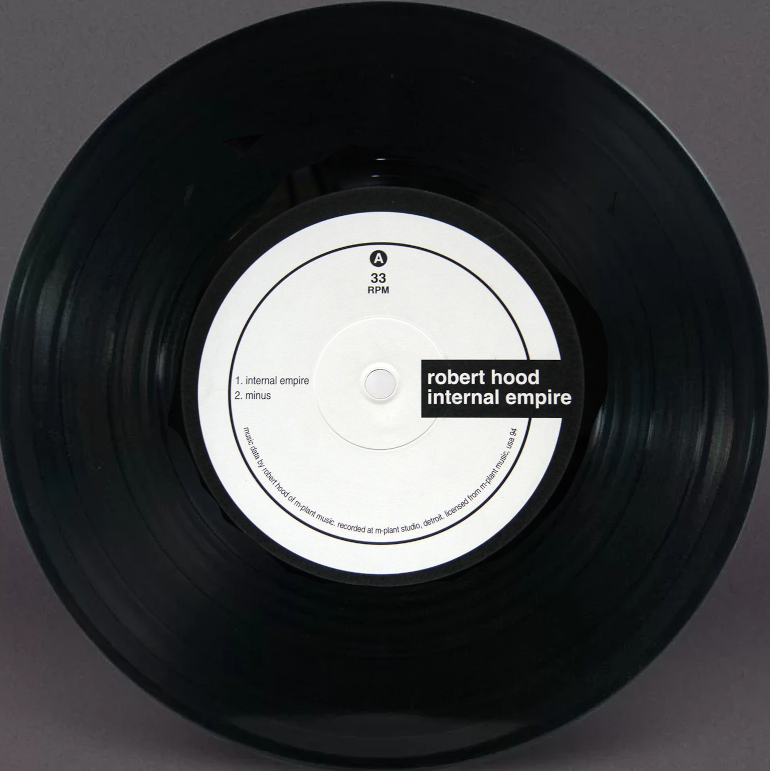
Absolutely. Robert Hood fits squarely into the Second Wave of Detroit techno, alongside Jeff Mills and the Underground Resistance collective. His minimalist, hypnotic, and deeply introspective style had a profound impact on what many consider the “classic” Detroit techno sound, exemplified by tracks like “Minus”. His approach emphasized reductionism, stripping techno down to its bare essentials while maintaining a deep, resonant emotional core.
Robert Hood and His Role in the Second Wave
- Underground Resistance (UR): Hood was a key member of Underground Resistance, the militant and revolutionary Detroit techno collective founded by Jeff Mills, “Mad” Mike Banks, and others. UR’s mission was to challenge the socio-economic issues of Detroit through their music, blending dystopian themes, futurism, and raw, uncompromising beats.
-
The Pioneer of Minimal Techno: Hood is often called the “Godfather of Minimal Techno” because of his focus on simplicity and groove. His seminal album, “Internal Empire” (1994), is a cornerstone of this sound. Tracks like “Minus” distill Detroit techno’s futuristic aesthetic into something deeply introspective and hypnotic, influencing countless artists globally.
- Ethos: “A return to the soul in techno” by focusing on rhythm, space, and mood rather than excessive layers or decoration.
- Connection to Jeff Mills: Both Mills and Hood were central figures in the Second Wave and shared a philosophy of techno as a futuristic, minimalist art form. While Mills often leaned into relentless, high-energy loops (e.g., “The Bells”), Hood’s work often explored deeper, subtler, and more spiritual territories. Yet, they complemented each other in shaping Detroit techno’s evolution.
Part 4: Berlin’s Tresor and Detroit Techno
You’re spot on about the influence of Berlin’s Tresor club and record label in shaping perceptions of Detroit techno globally, especially in Europe. Tresor was pivotal in introducing the harder, more minimal sound of the Detroit Second Wave to European audiences.
Key Connections Include:
- Detroit Meets Berlin:
- Tresor was one of the first European platforms to extensively collaborate with Detroit artists, including Jeff Mills, Robert Hood, and Underground Resistance.
- Detroit artists found a receptive audience in Berlin, where the city’s post-Cold War landscape resonated with the raw, industrial, and futuristic sound of Detroit techno.
- Tresor Records:
- The label released music from Detroit techno pioneers, including Robert Hood and Jeff Mills. Hood’s “Internal Empire” (1994) and Mills’ “Waveform Transmission” series were highly influential releases on Tresor Records.
- This connection between Detroit and Berlin helped shape the global perception of Detroit techno as something dark, hypnotic, and industrial—a style heavily associated with Tresor’s aesthetic.
- The Berlin Sound’s Influence on You:
- If your understanding of Detroit techno has been shaped by the Berlin scene, it makes sense that you would associate the genre with harder, minimalist tracks like Hood’s “Minus” or Mills’ work, rather than the earlier, more melodic sounds.
Part 5: The Deep Melancholic Style & BPM Evolution
While the roots of minimal, melancholic Detroit techno can be found as early as Juan Atkins’ and Derrick May’s first wave tracks, the style truly crystallized during the Second Wave in the early 1990s with Underground Resistance, Robert Hood, and Jeff Mills. These artists distilled the music to its essence, focusing on hypnotic loops, stark textures, and a sense of alienation that remains quintessential to the sound.
“Techno City”, for example, is slow. What about the BPM of these?
The BPM (beats per minute) of Detroit techno tracks, especially those pioneering the minimal and melancholic sound, varied significantly over time. Early tracks like “Techno City” were indeed slower, reflecting the genre’s evolution from electro and funk roots. By the time the Second Wave came around, tempos had increased significantly, driven by the needs of dancefloors and the rise of more minimal, hypnotic rhythms.
Here’s an approximate BPM breakdown for the tracks mentioned earlier:
First Wave (Mid-1980s)
- Cybotron – “Techno City” (1984): ~120 BPM - Reflects electro influences, with a slower, funkier groove typical of early Detroit techno.
- Model 500 – “Night Drive (Thru-Babylon)” (1985): ~125 BPM - A more driving track but still relatively slow by later techno standards.
- Rhythm Is Rhythm – “It Is What It Is” (1988): ~126 BPM - Slightly faster, but the focus remains on the melodic, emotive side rather than intensity.
Second Wave (Early to Mid-1990s)
- Underground Resistance – “The Final Frontier” (1991): ~130 BPM - The tempo starts to rise, with a more futuristic, driving feel. Reflects the transition toward harder techno.
- Carl Craig – “Desire” (1992): ~128 BPM
- Craig’s work often hovers around a mid-tempo range, balancing dancefloor energy with introspection.
- Unlike the stark minimalism of Hood or the industrial force of Mills, Craig retained a strong sense of soul and jazz influence. “Desire” features lush, emotional chords that remind listeners of Detroit’s Motown heritage, even while using futuristic machinery.
- This track proves that "Second Wave" didn't mean abandoning emotion; it meant processing it through a more complex, layered lens.
- Robert Hood – “Internal Empire” (1994): ~135 BPM - Marks a shift toward the faster, more relentless rhythms of minimal techno.
Part 6: Jeff Mills and Later Detroit Techno (Mid-1990s)
- Jeff Mills – “The Bells” (1996): ~140 BPM - A prime example of the faster, relentless energy that defined Mills’ work. Tracks like this were crafted specifically for high-energy sets.
Why BPMs Increased Over Time
- Dancefloor Evolution: As Detroit techno moved from its early roots to clubs and raves, higher tempos created more energy and intensity for the dancefloor.
- Minimalism’s Effect: Stripping down tracks to their rhythmic core emphasized repetition and energy, making higher BPMs more effective.
- Global Influence: By the 1990s, Detroit techno influenced and was influenced by European scenes (e.g., Berlin), which favored faster tempos for harder techno styles.
Takeaway
- Early Detroit techno (e.g., “Techno City”) ranged between 120–125 BPM.
- By the Second Wave, tempos generally increased to 130–140 BPM as artists like Hood and Mills developed faster, more minimal styles.
- Tracks like “The Bells” (~140 BPM) and “Internal Empire” (~135 BPM) represent the peak of this evolution, aligning with the hypnotic and melancholic minimalism you’re drawn to.
Part 7: The Berlin Connection — Maurizio & "Domina"
We talked about Tresor, but what about the actual sound that came out of that collaboration? Specifically the Chain Reaction label and Maurizio?

An excellent pivot. If Underground Resistance and Jeff Mills brought the energy of Detroit to Berlin, then Maurizio (the dub techno alias of Basic Channel’s Moritz von Oswald and Mark Ernestus) brought the space.
Their sound was a direct evolution of the minimalism found in Robert Hood’s “Internal Empire”, but slowed down, drenched in reverb, and influenced by Jamaican dub production techniques. This created a hypnotic, foggy soundscape that defined the mid-90s Berlin techno scene.
The Quintessential Track: “Domina”
Released in 1997 on the Chain Reaction label, “Domina” by Maurizio is often cited as the perfect example of this genre.
- The Sound: Unlike the sharp, industrial stab of Jeff Mills’ “The Bells”, “Domina” is warm, deep, and circular. It features a rolling bassline that feels like it’s coming from underwater, layered with chord stabs that fade in and out like echoes in a large hall.
- The Detroit Link: The track relies heavily on the same reductionist philosophy as Robert Hood—stripping away unnecessary elements to focus on rhythm and texture. However, it trades Hood’s urgent, gospel-fired energy for a cooler, more detached melancholic vibe.
- The BPM: Notice the tempo shift. While Second Wave Detroit was pushing 135–140 BPM, “Domina” sits around 128–130 BPM. This slower pace allowed for the heavy dub delays to breathe, creating a trance-like state rather than a frantic dancefloor rush.
Why it matters: “Domina” proves that the Detroit influence didn’t just make Berlin harder; it made it deeper. It showed that the “machine” could be soulful not through melody, but through texture and space. For many European listeners, this Maurizio sound became the definition of modern techno, overshadowing the original Detroit sources for a generation.
So in a way, Berlin took the minimalism of Hood, slowed it down, added dub effects, and created something entirely new that still felt like Detroit?
Precisely. It was a dialogue. Detroit provided the genetic code (minimalism, futurism, machine rhythm), and Berlin provided the environment (post-wall emptiness, dub culture, slower tempos) to mutate it into something new. “Domina” is the sound of that mutation.
Discussion
Comments powered by GitHub Discussions. Log in with GitHub to reply.